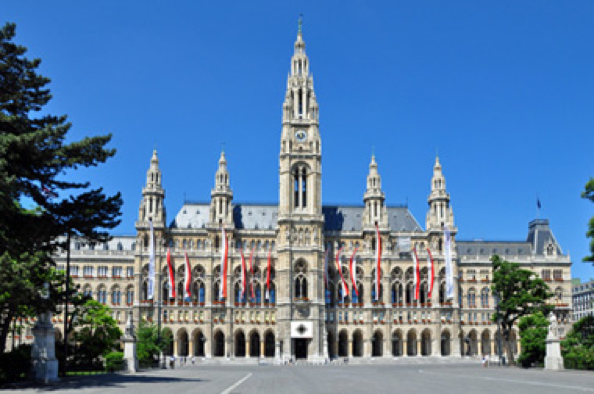
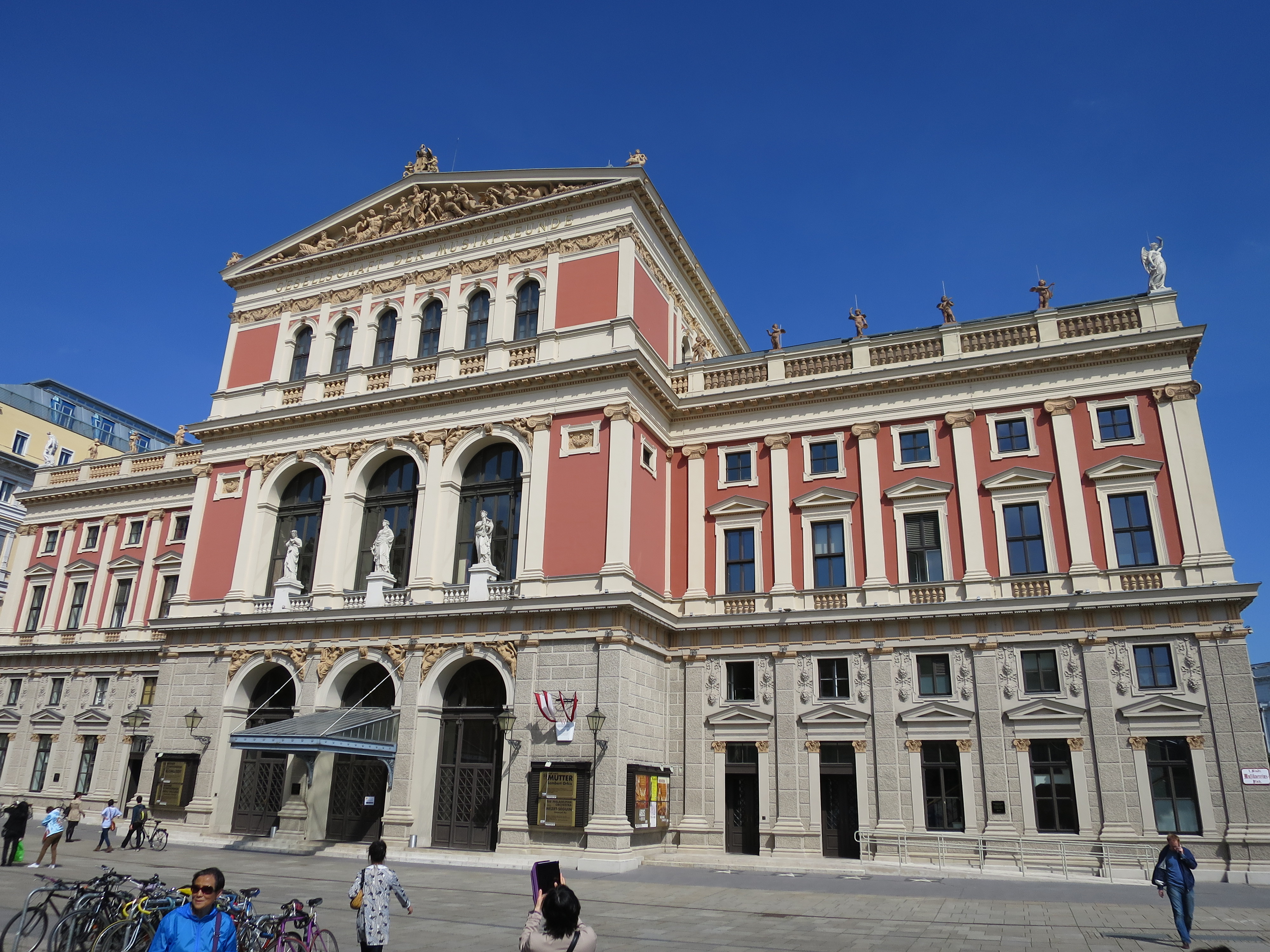
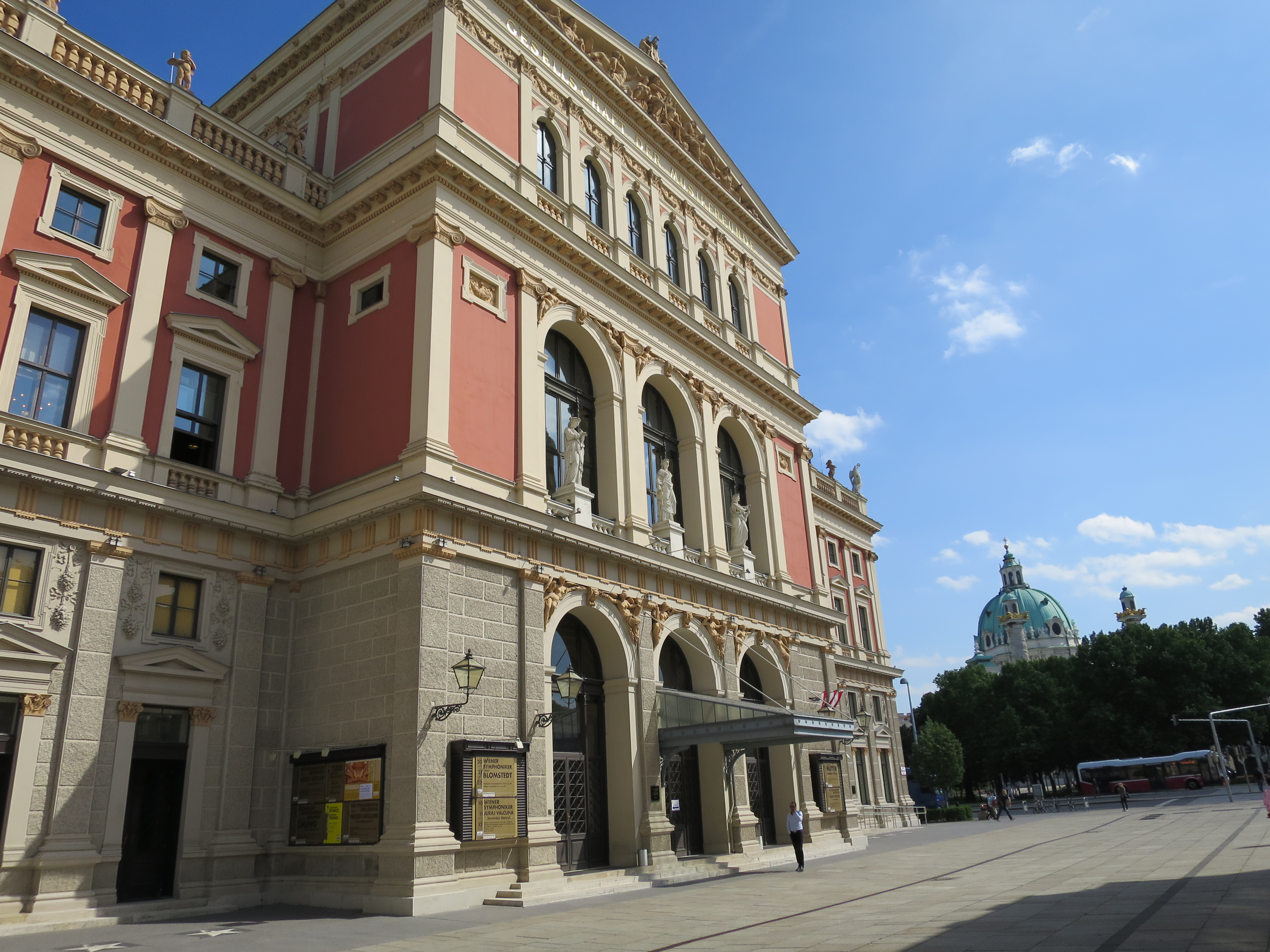
Vienna Musikverein
The building was designed by the classical architect Theophil von Hansen and was inaugurated on January 6, 1870, with a festive concert.
It houses the famous Great (Golden) Hall, considered one of the most beautiful and acoustically finest concert halls in the world. The hall offers 1,744 seats and 300 standing places.
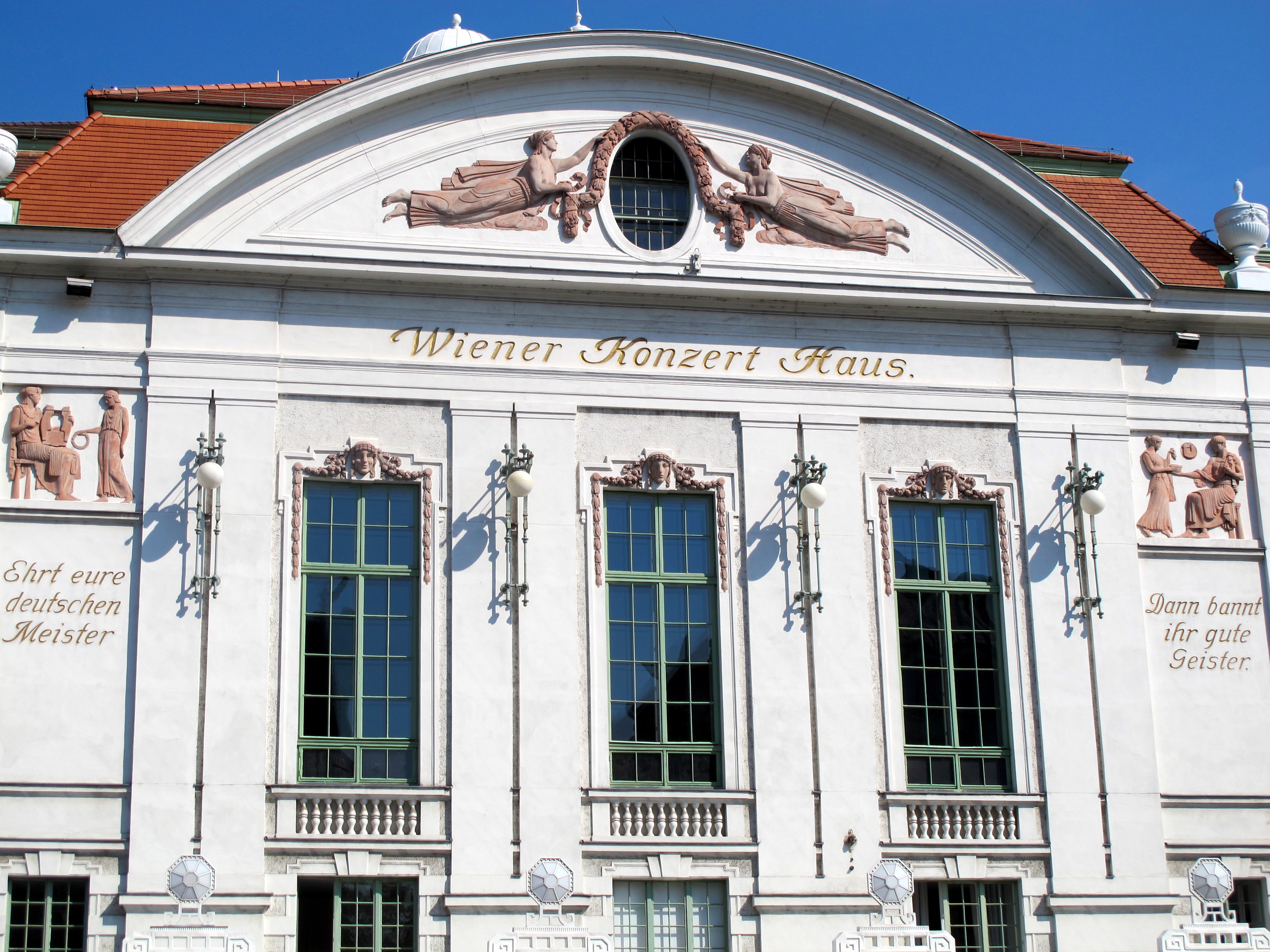
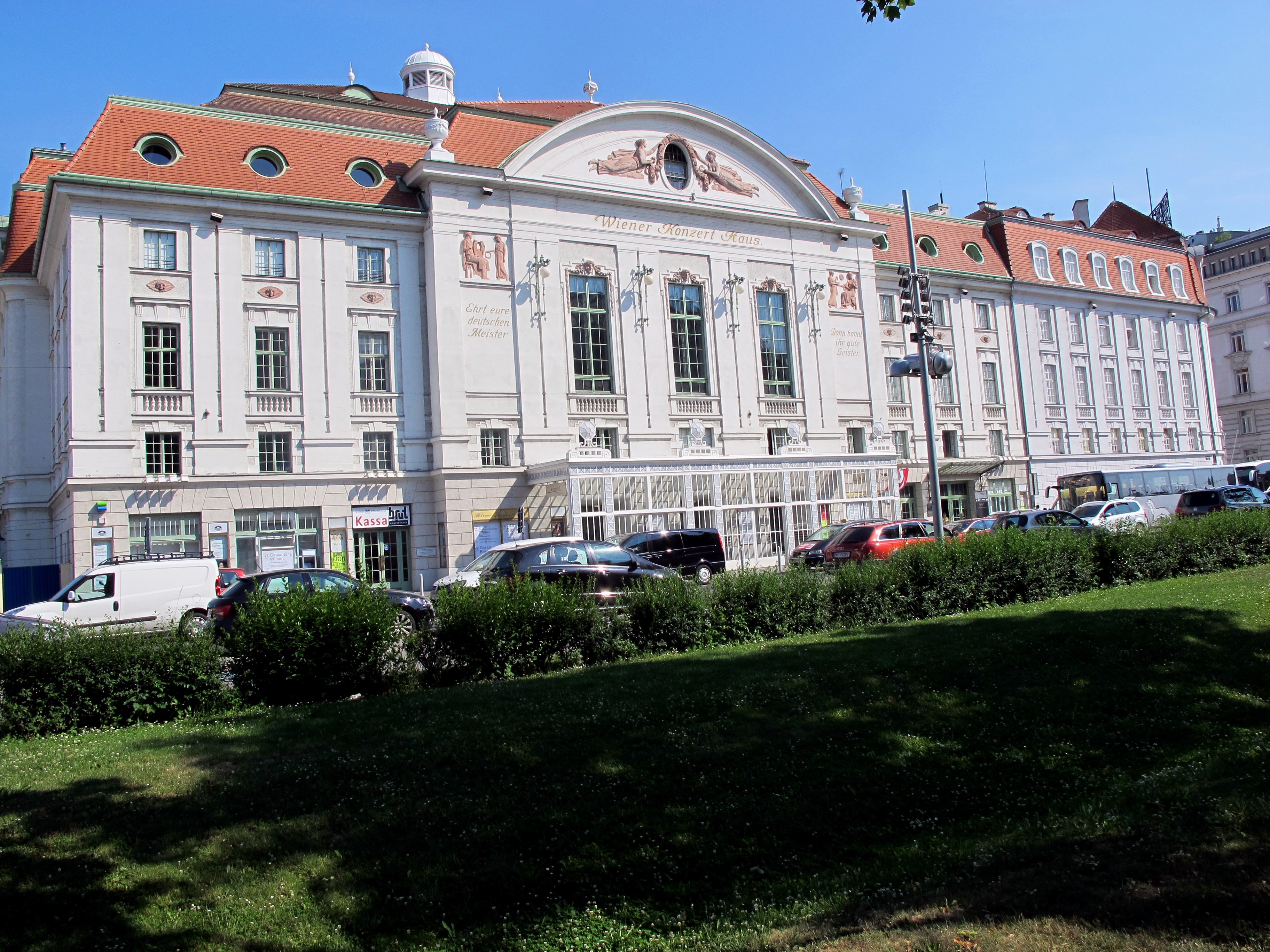
Konzerthaus
The motto of the Konzerthaus was:
“A place for the cultivation of noble music,
a meeting point for artistic aspirations,
a house for music and a house for Vienna.”
The Konzerthaus was opened on October 19, 1913, in the presence of Emperor Franz Joseph I.
The evening featured a ceremonial concert conducted by Ferdinand Löwe, performed by the Vienna Concert Society Orchestra – today’s Vienna Symphony Orchestra.
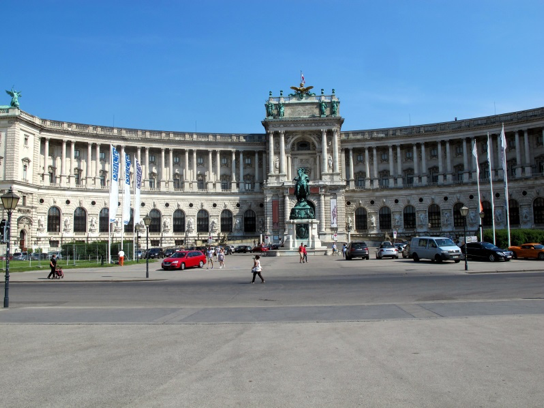
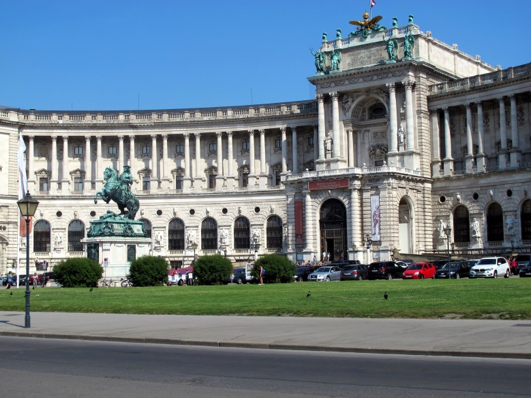
Hofburg
The Hofburg Palace served as the residence of the Habsburg dynasty from the 13th century until 1918 (with interruptions).
Since 1945 it has been the official residence of the Federal President of Austria and includes numerous event halls.
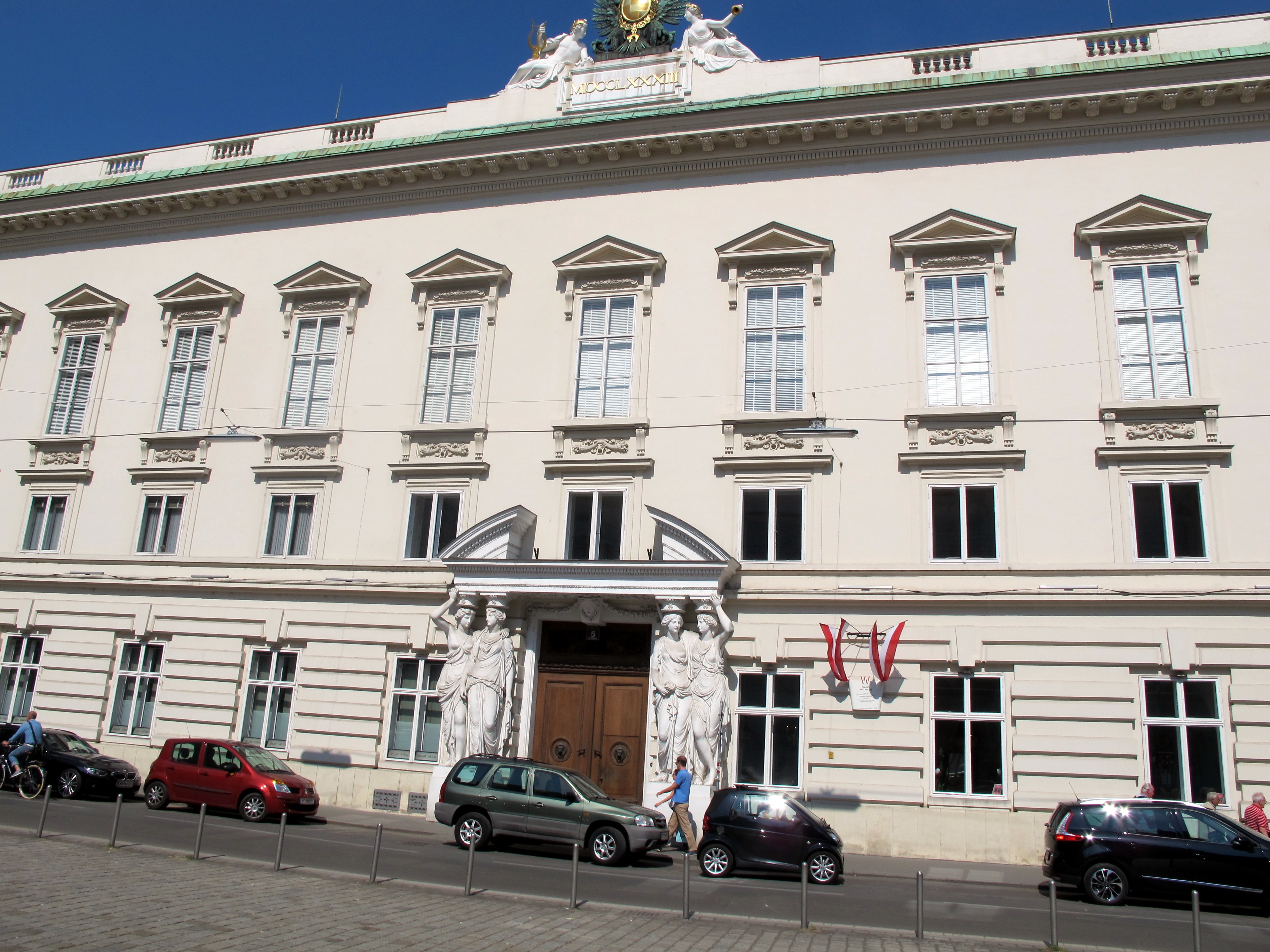
Palais Pálffy
The Palais Pálffy, located at Josefsplatz in Vienna’s first district (Inner City), is historically significant.
In 1786, Wolfgang Amadeus Mozart privately premiered his opera “The Marriage of Figaro” here.
He had already performed at the palace in 1762 at the age of six.
Today, events take place in the Figaro Hall.
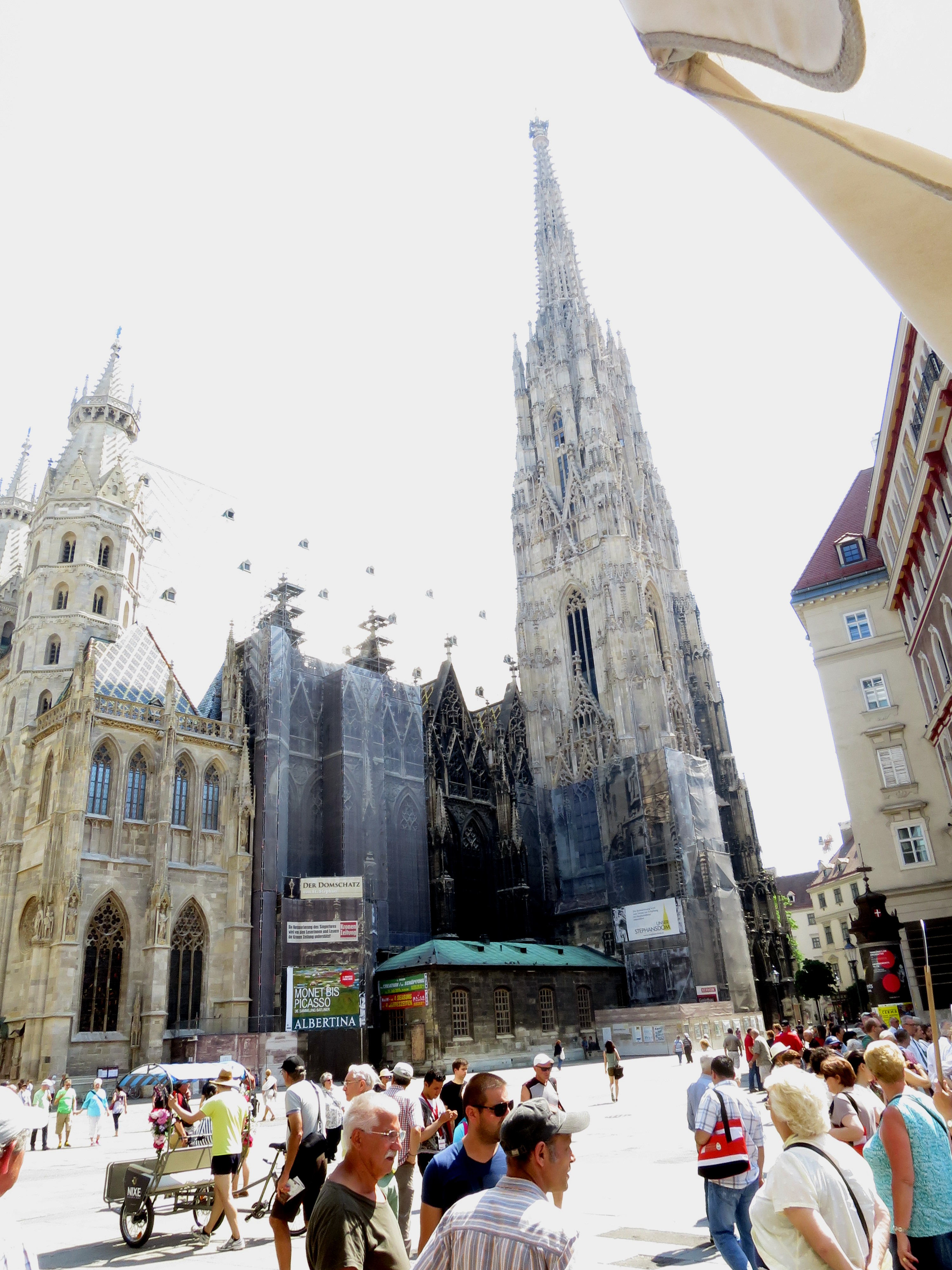
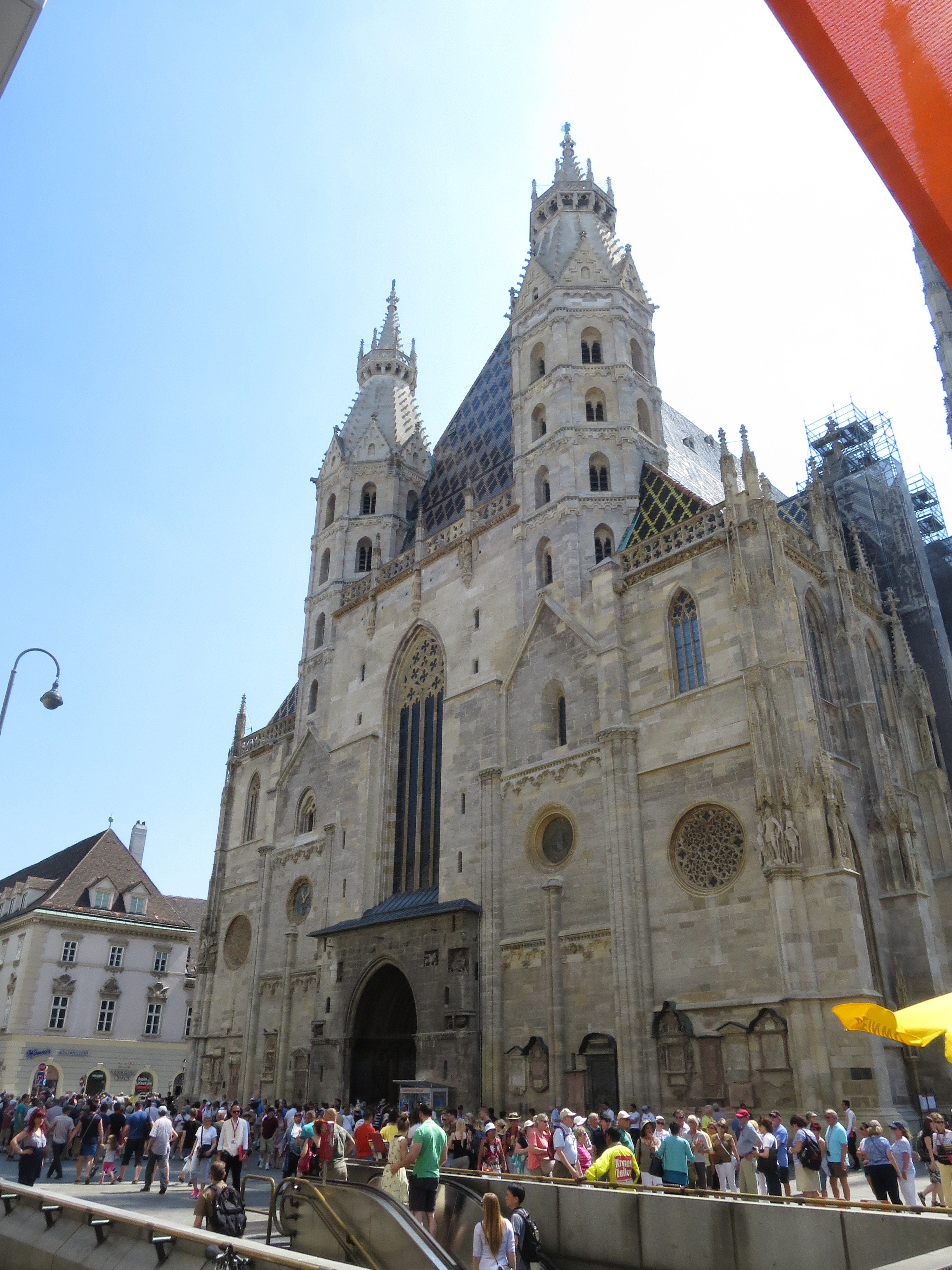
St. Stephen’s Cathedral
St. Stephen’s Cathedral, located at Stephansplatz, has been:
- a cathedral church since 1365
- a bishop’s seat since 1469/1479
- the metropolitan church of the Archbishop of Vienna since 1723
Often affectionately called “Steffl” by locals, it is considered Vienna’s landmark and Austria’s national shrine.
It also serves as a venue for sacred choral works and masses.
Vienna City Hall
The Vienna City Hall was built between 1872 and 1883 in Neo-Gothic style, designed by Friedrich von Schmidt.
It houses the offices of the Mayor of Vienna.
The grand ballroom hosts events such as the Vienna International Advent Singing.